Cherry blossom trees begin blooming downtown Indianapolis as White River State Park promenade draws spring visitors
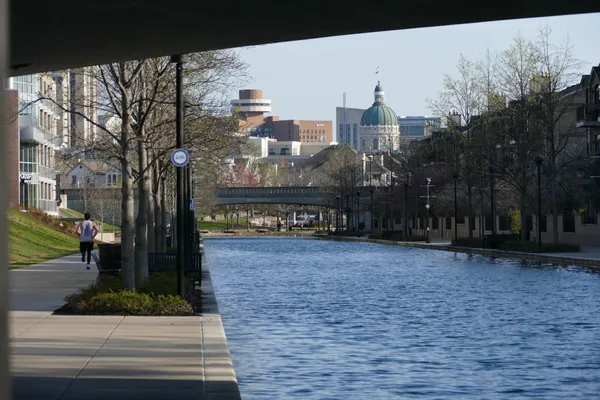
Seasonal bloom returns to a riverside corridor near the Canal Walk
Cherry blossom trees have begun blooming in downtown Indianapolis, bringing a short-lived spring display to a stretch of White River State Park near the Central Canal and the Indianapolis Zoo. The flowering period typically lasts days to a couple of weeks, varying with temperature swings, rainfall and late-season cold snaps.
The most concentrated downtown cluster is the Japan-U.S. Cherry Tree Promenade in White River State Park, a planted corridor of ornamental cherry trees set along a pedestrian route where park paths meet the canal-side area. The grove has become a recurring seasonal draw for residents and visitors seeking skyline views framed by pale pink and white blossoms.
What the promenade is and how it got there
The promenade is tied to a long-running civic and cultural effort to establish Japanese flowering cherry trees in Indianapolis. The trees were planted through a community partnership involving Indianapolis’ Japan-focused civic organizations and supporters, with White River State Park selected as the central downtown site for public viewing.
While cherry blossoms are widely associated with Washington, D.C.’s century-old tradition, Indianapolis’ downtown plantings reflect a similar idea: a public spring landscape feature that also serves as a cultural marker. In Indianapolis, the result is a walkable, photo-friendly corridor integrated into a larger downtown park network.
What visitors can expect during peak bloom
Bloom timing is sensitive to weather. Warm stretches in late March can accelerate flowering, while cooler nights can slow it down and extend the viewing window. Once peak bloom passes, petals can fall quickly, especially during windy or rainy periods.
Where the blooms are concentrated: The promenade area within White River State Park near the canal and zoo-adjacent paths.
How long the display lasts: Often about one to two weeks, depending on conditions.
Best viewing approach: Walking routes allow visitors to move through multiple angles and backgrounds, including water, bridges and downtown buildings.
Managing crowds, access, and protecting the trees
As the bloom draws foot traffic, the most common pressure points are parking availability and narrow segments of shared-use paths. Visitors should also expect higher activity on fair-weather weekends.
City parks and botanical institutions routinely emphasize staying on paths, avoiding climbing or pulling branches, and keeping photo setups from compacting soil around tree roots.
Within White River State Park, the promenade is part of a broader public landscape that includes waterfront paths, bridges and museum and zoo destinations, making the blossoms an easy addition to a downtown walk rather than a standalone trip.
Why the bloom matters for downtown public spaces
Beyond the aesthetics, the annual cherry blossom window highlights how seasonal plantings shape the way residents use downtown parks. In Indianapolis, the promenade’s brief peak period functions as a predictable moment that concentrates visitors into an otherwise dispersed park system—offering a measurable reminder of the role urban green spaces play in downtown life.
The bloom is expected to continue progressing as spring temperatures settle in, with the strongest display likely to be brief and weather-dependent.