Far East Side Indianapolis House Fire Damages Multiple Homes, Displaces Two Residents and Their Dog
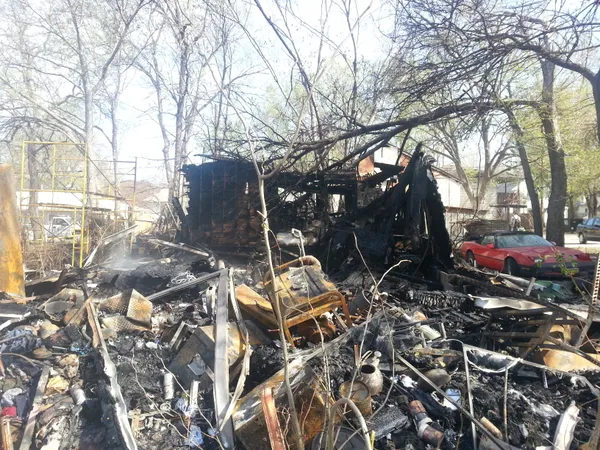
Firefighters contain weekend blaze on the city’s far east side
A house fire on Indianapolis’ far east side over the weekend caused significant damage to a home and forced two residents and their dog to leave the property, as fire crews worked to stop the flames from spreading to nearby houses.
Fire officials reported that the primary home sustained the bulk of the damage. Neighboring homes immediately adjacent to the fire building also were affected, but the damage to those structures was limited to the exterior after firefighters mounted an aggressive attack to contain the blaze and prevent a broader block-wide incident.
What is confirmed about impacts and displacement
- Two residents were displaced from the affected home.
- Their dog was also displaced.
- Nearby houses sustained exterior damage only, indicating the fire did not extend deeply into those homes.
Displacement following a residential fire typically reflects a combination of direct fire damage and secondary effects such as smoke infiltration, water damage from suppression efforts, and potential utility shutoffs while crews confirm the structure is safe. Even when flames are kept from fully extending into adjacent buildings, heat exposure and smoke can still require inspection and repairs.
How fire spread is limited in dense residential areas
In neighborhoods where houses sit close together, fire departments prioritize rapid containment to reduce the chance of radiant heat igniting siding, eaves, or attic spaces next door. Officials credited coordinated operations by responding crews with limiting the impact on the neighboring properties to exterior damage.
When exposures are threatened, firefighters focus on keeping fire from extending into adjoining structures while simultaneously working to knock down the main body of fire.
Investigation and next steps
The cause of the fire had not been confirmed in the publicly available incident details at the time of reporting. Residential fires are commonly investigated to determine the area of origin and contributing factors, with findings used to guide prevention messaging and, where necessary, inform insurance and code-related follow-up.
For the displaced residents, next steps generally include damage assessment, coordination with insurers or property managers, and arranging temporary housing while repairs and inspections proceed. Pet displacement can add complexity, particularly when temporary lodging options limit animals, making short-term coordination with family, friends, or local animal-support resources an immediate priority.
Officials have not released additional information on injuries, a precise address, or an estimated dollar value of damage in the initial account of the incident.