How Indianapolis is documenting Black wealth and economic life, from Madam Walker to Indiana Avenue today
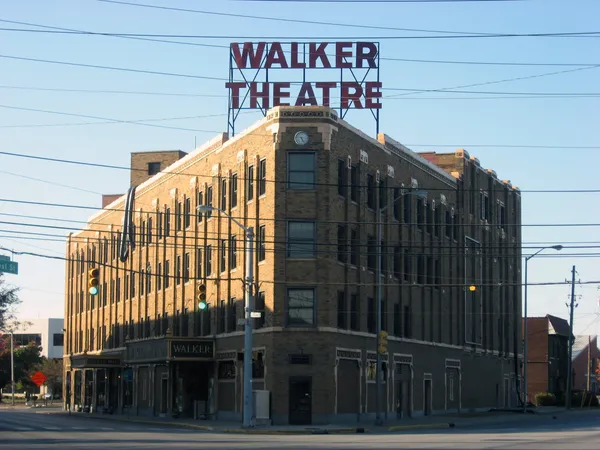
A growing effort to record Black economic history in Indianapolis
Indianapolis has long been home to Black entrepreneurs, homeowners, and community institutions that helped build wealth despite barriers in housing, lending, and business access. A renewed local focus is now centered on documenting how Black wealth was created, where it was concentrated, and how it changed over time—work that draws on historic corridors such as Indiana Avenue, landmark institutions, and archival records that captured Black business and property ownership in earlier eras.
Indiana Avenue and the Walker legacy as an economic anchor
In the early 20th century, Indiana Avenue became a major center of Black cultural and commercial life in Indianapolis, supporting Black-owned businesses, churches, and entertainment venues. The corridor is closely associated with the Madam C. J. Walker enterprise, which established major operations in Indianapolis and helped create employment and professional opportunities for Black workers and sales agents nationally. Walker’s story remains one of the most widely recognized examples of Black wealth formation tied directly to Indianapolis, combining business success with community investment and philanthropy.
What records reveal about early Black wealth
Historical documentation shows that Black wealth in Indianapolis was visible and measurable well before the mid-20th century. Early newspaper reporting included lists of Black Indianapolis residents whose wealth was estimated above specific thresholds, alongside business directories and community coverage that tracked commercial activity. These kinds of records, preserved through local archival collections, are now central to rebuilding a clearer, fact-based picture of who held assets, what businesses existed, and how economic networks functioned.
Housing, redevelopment and the fragility of accumulated wealth
The story of Black wealth in Indianapolis also includes the ways public policy and redevelopment reshaped neighborhoods. Lockefield Gardens, constructed between 1935 and 1938, was the city’s first public housing development and was built exclusively for low-income African Americans. Nearby areas of Indiana Avenue later experienced large-scale displacement tied to mid-century redevelopment and infrastructure projects, including major campus and highway construction. These shifts altered where Black residents lived and owned property, and they disrupted business districts that had been built over generations.
Today’s measurable gaps and why history matters
Current data continues to show significant disparities in homeownership and housing value between Black and white residents in Indianapolis and statewide. The persistence of these gaps has made historical documentation more than a cultural project: it provides context for how wealth is accumulated through property and business ownership, and how unequal access to those pathways affects family finances over time.
- Black wealth-building in Indianapolis has been tied to entrepreneurship, professional networks, and property ownership.
- Neighborhood change and redevelopment have played a major role in disrupting Black commercial corridors.
- Archival work—through newspapers, institutional collections, and community preservation—helps establish verifiable timelines and evidence.
Documenting Black wealth requires tracing both achievement and disruption: the institutions that created opportunity and the forces that narrowed it.