Indiana lawmakers advance stronger Alcohol and Tobacco Commission powers after violence tied to Indianapolis bars
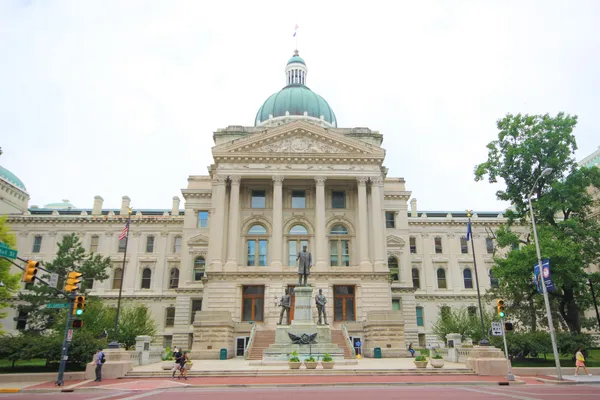
Legislative push targets repeat violent incidents at licensed premises
Indiana lawmakers have advanced a proposal designed to give state regulators faster, stronger tools to intervene when violence and other serious crimes occur at bars and nightclubs. The effort comes after years of high-profile disturbances tied to some licensed establishments in Indianapolis and elsewhere, sharpening the debate over how quickly the state can act when a venue becomes a public-safety concern.
The measure moving through the Statehouse is Senate Bill 260 from the 2025 session, which expands the Indiana Alcohol and Tobacco Commission’s authority over alcoholic beverage retail permits. The bill’s central change would allow the commission to temporarily suspend a retail alcoholic beverage permit when specific crimes occur at the licensed premises and certain criteria are met, including whether a permit holder failed to take reasonable action to prevent the crime or whether multiple qualifying crimes have occurred within a defined lookback period.
How enforcement works now—and what would change
Indiana law and administrative rules already allow the commission to deny, suspend, or revoke permits for violations tied to alcohol regulations and for conduct deemed a public nuisance. Current rules also lay out procedural steps for notice and hearings when the state seeks suspension or revocation, and they include a schedule of potential fines and penalties for a range of violations.
Supporters of the bill have argued that existing processes can be too slow to address situations where an establishment’s continued operation poses immediate safety risks. SB 260 is structured to create a clearer path for temporary suspensions in response to serious criminal incidents at a premises, aiming to provide a quicker regulatory response while still keeping enforcement within an established administrative framework.
Statehouse action intersects with broader enforcement initiatives
The legislative push has unfolded alongside a statewide enforcement strategy announced in April 2025 that paired Indiana State Police with the Alcohol and Tobacco Commission’s Excise Police to focus on what the state has described as “nuisance bars” and venues permissive of violence, drugs, or recurring disturbances. State officials have pointed to an increase in public nuisance violations issued by excise police since 2019 as part of the rationale for intensified coordination.
Key issues under debate
Due process vs. speed: Temporary suspensions can move faster than traditional administrative cases, increasing the stakes for clear standards and consistent application.
Defining “reasonable action”: Any enforcement mechanism that turns on whether a permit holder took reasonable steps will depend on how regulators interpret preventive measures such as security planning, staffing, and cooperation with law enforcement.
Scope of impact: The proposal is statewide, but it is shaped by repeated concerns about violence around certain urban nightlife corridors, including Indianapolis.
The bill reflects a Statehouse focus on treating repeated violence at licensed premises as both a criminal-justice problem and a licensing-and-regulatory problem.
If enacted, SB 260 would add a more immediate sanctioning option to the commission’s toolkit, potentially changing how quickly regulators can respond to serious incidents at licensed establishments—while leaving future disputes to be tested in administrative proceedings and, if challenged, in the courts.