Indianapolis Animal Care Services Reports Critical Dog Overcrowding as Weather, Intake Demand Strain Shelter Operations
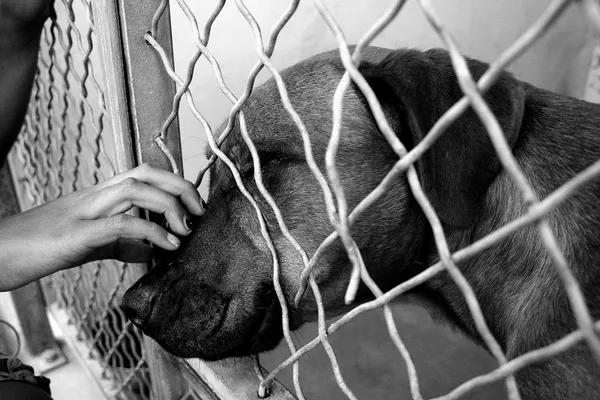
Dogs at or above capacity as intake continues
Indianapolis Animal Care Services (IACS), the city’s open-intake municipal animal shelter, has again reported operating at critical capacity for dogs, with the agency stating it is above its intended limit and that available kennel space has been fully used. The shelter said animals continue to arrive daily, while adoptions slowed during a recent period of severe weather, limiting the facility’s ability to clear space for new intakes.
In its latest public update, IACS described the situation as unsustainable for routine operations, emphasizing that full kennels reduce the agency’s ability to accept additional dogs brought in by animal control activity, owner surrenders, and strays. The shelter’s staff and animal control officers operate around the clock, and the shelter continues to receive new requests for intake.
What IACS is asking residents to do
IACS is urging community members to consider adoption or short-term foster placement to reduce the shelter population. The agency has promoted programs designed to lower barriers to adoption and provide trial periods for prospective adopters, including short-term fostering with the intention to adopt.
- Adopt a dog or cat currently available through IACS.
- Foster an animal to free kennel space and reduce crowding pressure.
- If a pet surrender is being considered, explore rehoming options when safe and feasible.
- If a lost pet is found, attempt to locate the owner first by checking for identification and scanning for a microchip through a veterinary office or animal welfare partner.
The shelter has also advised people with surrender appointments to postpone when possible, noting that shelter crowding increases risk for negative outcomes for animals entering during peak population periods.
Long-running capacity constraints and changing operating practices
IACS has faced prolonged crowding challenges tied to high intake volume and limits of an aging facility. In recent years, the shelter has periodically restricted intake to emergencies only as part of population management efforts aimed at keeping the number of animals closer to a level staff can safely and consistently care for.
IACS has repeatedly emphasized that overcrowding affects day-to-day animal care and the shelter’s ability to respond to new cases as they arise.
Facility transition ahead
City planning documents and public budget discussions in recent months have outlined a transition to a new, larger shelter facility intended to increase kennel capacity and expand veterinary and adoption-related spaces. While a new building is expected to improve physical capacity, IACS has described population management, adoptions, fostering, and transfer partnerships as critical components for maintaining sustainable operations regardless of building size.
For now, IACS officials are framing the immediate need as measurable: fewer animals in the building, more kennel availability, and faster placement outcomes to prevent routine overcrowding from becoming an ongoing emergency posture.