Indianapolis DPW crews monitor streets for frost and ice as temperatures drop below freezing overnight
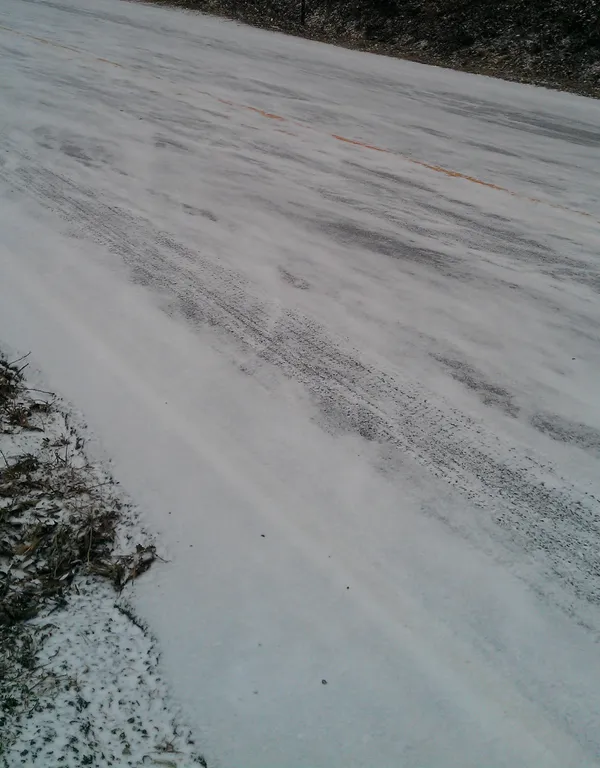
Crews shift from snow response to spot-treating slick pavement
Indianapolis Department of Public Works (DPW) crews are monitoring city streets for “frosty conditions,” a winter hazard that can form quickly when temperatures fall below freezing and lingering moisture refreezes on pavement. The concern is most acute overnight and during early-morning hours, when bridges, overpasses and untreated neighborhood streets can develop patches of black ice with little visible warning.
City operations typically intensify in these temperature swings because road conditions can change even without fresh snowfall. A light film of moisture from earlier precipitation, freezing drizzle, fog or melting snow can refreeze as the air temperature and pavement temperature drop, creating localized slick spots that may not be widespread enough to trigger full-scale plowing but still raise crash risks on specific corridors.
How Indianapolis prioritizes winter roadway work
Indianapolis uses a tiered winter maintenance approach that prioritizes major thoroughfares and emergency-response routes before moving deeper into neighborhoods as accumulation increases. Under the city’s snow-removal framework, the first focus is on high-traffic routes; connector streets and residential streets are addressed later as snowfall totals rise, with contractor support incorporated when thresholds are met.
Priority One streets: major routes and roads serving first responders, typically addressed first during winter events.
Priority Two streets: connector streets that link neighborhoods to major corridors, generally addressed after higher-priority routes as conditions warrant.
Priority Three streets: remaining public roads, including many residential streets, which are typically scheduled after higher-priority routes and at higher accumulation levels.
When conditions are “frosty” rather than snow-covered, the operational emphasis often shifts to surveillance and targeted treatment—dispatching crews to problem areas where thin ice forms—rather than continuous plowing operations.
What drivers can expect during “frosty conditions”
Monitoring can include patrols to assess pavement, follow-up applications of salt or other de-icing materials on trouble spots, and continued readiness to scale operations up if precipitation intensifies. These conditions can emerge after a storm has ended or on dry-looking roads that hold residual moisture in shaded stretches, near waterways, or on elevated structures.
Even after precipitation ends, freezing temperatures can keep road conditions unpredictable as moisture refreezes on untreated pavement.
Practical safety reminders during rapid refreeze periods
Reduce speed and increase following distance, especially on bridges and overpasses.
Use extra caution on untreated side streets, shaded areas and near intersections where meltwater can refreeze.
Leave additional travel time for early-morning commutes when refreeze is most likely.
DPW operations are expected to continue adjusting to overnight temperature changes, with crews watching for localized icing that can develop quickly and linger into the morning rush.