Indianapolis expands Streets to Home initiative, citing faster housing placements and new funding for homelessness response
A reworked, housing-first strategy aims to reduce unsheltered homelessness through coordinated outreach and leased apartments
Indianapolis officials and homelessness-service leaders are expanding a reworked approach to unsheltered homelessness that emphasizes rapid placement into permanent housing paired with ongoing support. The strategy, branded “Streets to Home Indy,” is built around a housing-first model that prioritizes getting people indoors before addressing other challenges such as health needs, substance-use disorder, or income instability.
The initiative’s first phase set an early operational goal: house roughly 350 unsheltered residents within about 12 months by moving people from encampments into scattered-site units across the city. City leaders have publicly committed that encampment closures would occur only after housing placements are completed and units are available.
Early outcome metrics focus on speed and housing exits
Program leaders have pointed to early indicators suggesting the revised approach is moving more quickly than prior processes. Teams working under the Streets to Home framework have reported average timelines of about 27 days from street outreach to housing placement—shorter than earlier estimates that ran closer to 100–150 days in many cases. A recent program update indicated that 114 people had been placed into housing as the initiative scaled up.
Those figures are being used to demonstrate a core premise of the strategy: that intensifying coordination among outreach teams, case management, and landlords can shorten the time people remain unsheltered and reduce the churn between encampments, emergency departments, and the shelter system.
Program leaders have framed the operational shift as a move toward dedicated teams, faster unit identification, and coordinated service delivery intended to reduce the time people remain outdoors.
Funding commitments grow as the program moves toward a second phase
The initiative has been described as an $8.1 million effort assembled from city funding and outside contributions. City officials have also tied the program’s next steps to recently approved local appropriations: the Indianapolis City-County Council approved an additional $20 million package for homelessness initiatives and related infrastructure planning, with some of that funding intended to support the second phase of the Streets to Home strategy.
- Phase 1: targeted housing placements for people living unsheltered, including those in encampments.
- Phase 2: rapid rehousing and “rapid exit” work focused on residents who are chronically stuck in shelters, aimed at preventing new street homelessness and increasing housing exits for individuals and families.
Related projects include a future low-barrier shelter and navigation hub
Separately from Streets to Home placements, Indianapolis is advancing plans for a “Housing Hub” that is expected to include the city’s first low-barrier shelter and a centralized location for housing navigation and services. State housing officials approved a $20 million grant for the low-barrier shelter project, with public timelines projecting completion in late 2026 and an opening by early 2027. Local leaders have characterized the hub as a system “gap-filler” for residents who face barriers to accessing traditional emergency shelter.
Together, the rapid-housing push, added local funding, and shelter-system investments reflect a broader effort to rework Indianapolis’ homelessness response around faster housing placements, coordinated services, and infrastructure designed to reduce the number of people living unsheltered.
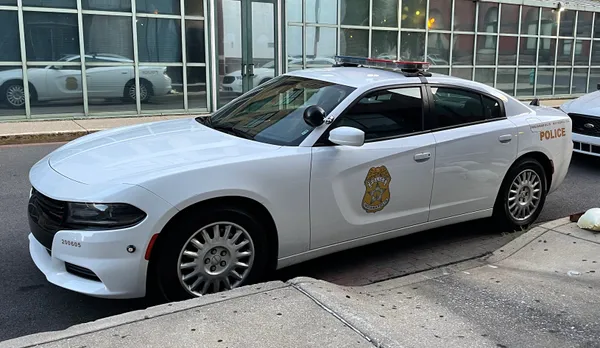
Two people shot at west-side Indianapolis apartments near Girls School Road as investigation continues
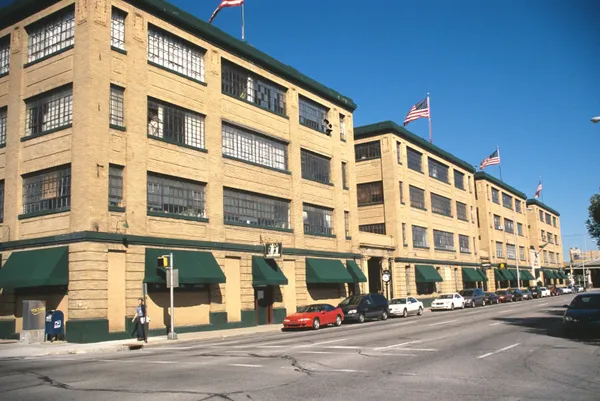
Easel by Penrod returns to downtown Indianapolis at The Stutz with artists, music, and fundraising focus
Indianapolis trivia fan Cody Aiello competes on Jeopardy, matching twin brother’s milestone 16 years later