Indianapolis parents question late-notice weather delays as districts balance safety, buses, and morning communications
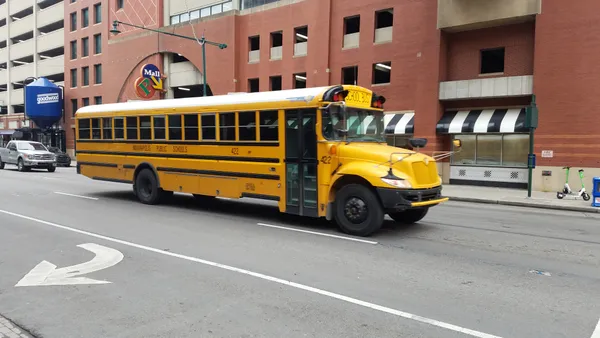
Late morning delay calls leave some families scrambling
In recent winter-weather events across the Indianapolis area, some parents have raised concerns about receiving notice of school delays too close to departure time. The practical impact is immediate: families may already be en route to bus stops or school drop-offs when a two-hour delay is announced, complicating childcare, work schedules and transportation planning.
While most school systems aim to make closure or delay decisions early, timing can be driven by rapidly changing local conditions. Ice formation, patchy slick roads and shifting forecasts can create situations in which administrators believe it is safer to wait for additional information rather than make a call hours earlier.
How districts typically make delay decisions
Central Indiana districts generally say weather decisions are based on multiple variables, including road conditions, visibility, and the safety of students who walk or wait at bus stops. Many districts describe a decision window around the early morning hours, often targeting announcements near 5 a.m., with updates later if conditions deteriorate.
Some districts have published notification processes that rely on mass communication platforms (text, email, phone calls and app alerts), supplemented by district websites and social media. The effectiveness of those systems can hinge on parents keeping contact information current and on schools initiating messages promptly once a decision is made.
Cold, buses and exposure time are central to safety planning
Even when roads are passable, extreme cold can create a separate set of risks for students who wait outdoors. In Indianapolis, transportation logistics are a key factor: late buses can extend the amount of time students spend outside, and a breakdown or traffic delay increases exposure concerns. District operations also include early-morning steps to prepare fleets and confirm vehicles can run safely in low temperatures.
Families with walkers can face different challenges than families who drive. Charter schools and other campuses without district-provided transportation may have higher numbers of students arriving on foot, making delay communications particularly consequential.
Why late calls happen, and what it means for families
Late-notice delays are most likely when conditions shift unexpectedly after the morning commute begins—particularly during marginal events when moisture and freezing temperatures can produce quickly changing road conditions. In at least one previous IPS weather event, the district explained that deteriorating conditions were not fully known until buses were already on the road, leading to an initial delay followed by a closure decision later in the morning.
For parents: A delay announced after routines are underway can mean arranging last-minute supervision or reversing drop-off plans.
For schools: Waiting for on-the-ground information can help avoid unnecessary cancellations, but increases the risk of confusion if announcements come late.
For students: The most immediate concern is time spent outdoors and the uncertainty around whether to wait, return home, or seek shelter.
Many districts emphasize that weather decisions depend on the best available information at the time and may change as conditions evolve.
What parents are asking for
Across the region, parents seeking greater predictability have focused on clearer communication expectations—such as earlier decision targets when possible and consistent use of mass-alert systems—along with transparent safety criteria for cold and road conditions. District leaders, meanwhile, continue to weigh competing priorities: keeping schools open for learning, meals and services, while minimizing transportation and exposure risks when winter weather turns unpredictable.