Indianapolis Regional Airport’s expanding hangar capacity and master plan highlight growing east-side aviation demand
A reliever airport increasingly tied to regional business activity
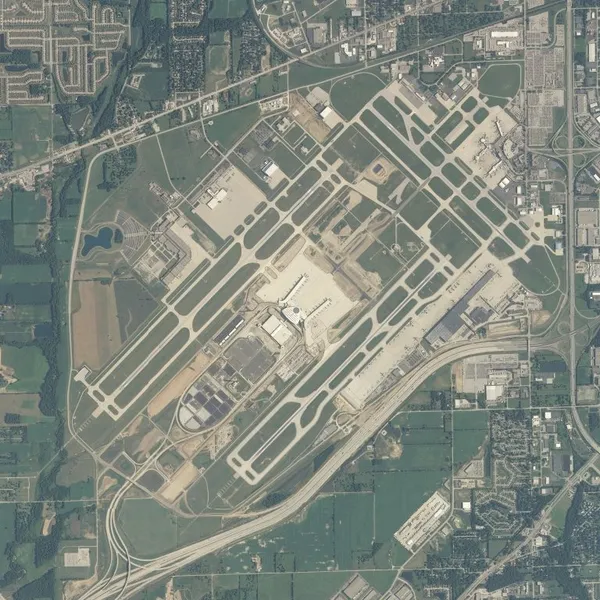
Indianapolis Regional Airport (MQJ), a public-use general aviation facility in Hancock County near Greenfield and McCordsville, is continuing a multi-year pattern of infrastructure planning and aviation-related development. The airport sits roughly a dozen miles east of downtown Indianapolis and is owned and operated by the Indianapolis Airport Authority (IAA), placing it within a broader system that also includes Indianapolis International Airport and other general aviation sites.
The airport has two paved runways, including a 6,005-foot primary runway and a shorter crosswind runway. Its role is focused on general aviation—corporate and private flying—rather than scheduled commercial passenger service, and it supports on-field services such as fueling and hangar storage.
Hangar development points to sustained demand for aircraft storage
A prominent marker of growth at MQJ has been expanding hangar capacity. In 2023, Jet Access—identified as the airport’s fixed-base operator—completed a 22,500-square-foot heated corporate hangar at Indianapolis Regional. The project added space intended to accommodate large private aircraft and expanded Jet Access’s total corporate hangar footprint in the Indianapolis area.
Separately, the IAA has been encouraging additional third-party hangar construction across its general aviation airports, including MQJ. Under its hangar development framework, the authority offers land-lease structures tied to investment levels and includes a rental incentive of up to one year of free land rent, depending on total project cost. The stated aim is to make it easier for private developers to build hangars and, where applicable, sublease them under defined standards.
Planning now extends beyond individual projects
Alongside construction activity, the airport is also undergoing longer-range planning through a Sustainable Airport Master Plan, designed to guide development over the next 20 years and beyond. The program is structured to align anticipated aviation demand with land use, environmental considerations, and operational needs, while also emphasizing a sustainability framework that includes economic vitality, operational efficiency, natural resources conservation, and social responsibility.
“We are committed to creating sustainable aviation for our community by supporting safe and efficient general aviation services and investing in our infrastructure.”
Why MQJ’s trajectory matters to central Indiana
General aviation airports often function as economic infrastructure: they provide access for business travel, aircraft maintenance, training, and time-sensitive transportation needs. As the Indianapolis region grows eastward, proximity to corporate centers and expanding suburbs can intensify demand for hangars, apron space, and related services.
For local officials and aviation stakeholders, the airport’s next phase will likely be measured by how effectively its planning process converts demand into practical, fundable projects—while maintaining compatibility with neighboring communities and the airport’s operational constraints.
- Airport identity: formerly Mount Comfort Airport; renamed Indianapolis Regional Airport effective March 11, 2011
- Operations focus: corporate and private general aviation, not scheduled commercial service
- Current development signals: private hangar investment and long-range master planning