Indianapolis synagogues increase security after March 12 Michigan synagogue attack involving vehicle-ramming and gunfire
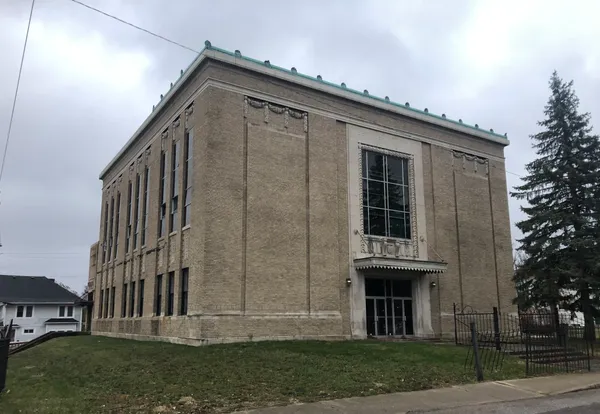
Indianapolis-area Jewish institutions review security as investigators probe Michigan attack
Synagogues and other Jewish institutions in the Indianapolis area moved into a heightened security posture after a violent incident on Thursday, March 12, at a Michigan synagogue raised fresh concerns about the vulnerability of houses of worship.
In West Bloomfield Township, a suburb northwest of Detroit, a man drove a vehicle into Temple Israel—one of the largest Reform congregations in the United States—before the vehicle caught fire. Authorities said a security guard was injured after being struck. The suspect was shot and killed at the scene by security officers. The synagogue’s early childhood program was in session, but officials said the approximately 140 children and staff were not physically injured.
Federal authorities described the incident as a targeted act of violence against the Jewish community. The FBI is leading the investigation and has said it is working to determine motive and whether the attacker had additional support or planning. The Department of Homeland Security identified the suspect as a 41-year-old naturalized U.S. citizen born in Lebanon who entered the United States in 2011 and became a citizen in 2016.
What “high alert” looks like in practice
In Indianapolis, “high alert” typically involves steps that are visible to congregants and others that are not. Security practices often vary by site and by service schedule, but the operational focus tends to be consistent: reduce points of entry, improve screening and observation, and tighten coordination with law enforcement.
- Increased use of contracted or volunteer security personnel at entrances and parking areas
- Reinforced check-in procedures during religious school hours and youth programming
- Vehicle-awareness measures, including monitoring drop-off lanes and perimeter access
- Reminder protocols for reporting threats, suspicious messages, or unusual behavior
Local and federal agencies maintain community outreach programs intended to support faith-based institutions with threat reporting, situational awareness, and emergency planning. In practice, security planning often centers on rapid communication, staff training, and clear decisions about when to shelter in place versus evacuate.
Broader context: security at houses of worship remains a national concern
The Michigan attack comes amid continuing nationwide attention to violence directed at religious institutions. Security specialists have increasingly emphasized layered protection that does not rely on a single measure, such as cameras or a guard presence, but combines physical hardening, training, and coordination with emergency responders.
Houses of worship are designed to be open and welcoming, a reality that complicates security planning when threats emerge with little warning.
For Indianapolis congregations, the immediate priority is continuity of worship and community life while ensuring that safety measures are updated, practiced, and coordinated across staff, volunteers, and law enforcement partners.