Indy Zoo Marks Baby Orangutan Edi’s First Birthday, Highlighting Care, Training and Conservation Education Efforts
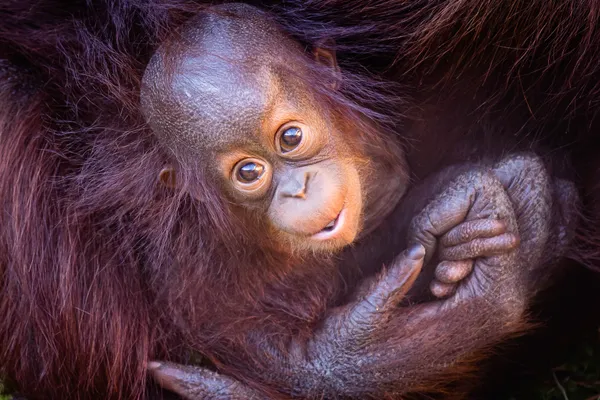
A first birthday inside the Simon Skjodt International Orangutan Center
The Indianapolis Zoo marked the first birthday of its youngest orangutan, a male named Edi, born Feb. 20, 2025, to mother Sirih and father Basan at the Simon Skjodt International Orangutan Center. The milestone adds a new public-facing chapter to a birth that was already significant for the zoo’s great-ape program, as it followed nearly a decade without an orangutan birth in Indianapolis.
Edi’s name was selected through a public vote held in spring 2025, when thousands of ballots were cast among several name options. Zoo staff have used Edi’s first year to expand introductions within the orangutan troop, while keeping the infant closely paired with Sirih, consistent with the species’ long maternal-rearing period.
What the first year typically looks like for orangutan infants
In the first year of life, orangutan infants remain highly dependent on their mothers for transport, comfort and protection. In managed-care settings, keepers generally minimize disruptions while tracking developmental indicators such as clinging strength, locomotion milestones, social exposure and feeding progression. The zoo has previously emphasized that orangutan offspring remain with their mothers for years, reflecting an extended development cycle among great apes.
Orangutan infants are typically carried against a mother’s body and gradually expand their exploration radius as strength and confidence increase.
How zoos structure birthday “enrichment” and why it matters
Birthday observances in modern zoos often take the form of enrichment: changes to an animal’s environment that encourage natural behaviors such as foraging, problem-solving and manipulation of objects. For orangutans—known for complex cognition and dexterity—enrichment can include food puzzles, novel materials, scents, and rearranged climbing opportunities. These activities are designed as husbandry tools rather than performances, and are assessed by animal-care teams for safety and behavioral impact.
Foraging-focused treats that require searching or extracting food
Objects that promote grasping, tearing, stacking or carrying behaviors
Changes in habitat layout that encourage climbing and exploration
Conservation context behind an Indianapolis birth
The Indianapolis Zoo’s orangutan program operates within coordinated population management used by accredited U.S. zoos to support genetic diversity and long-term demographic stability in managed populations. While those efforts focus on animals in human care, they are commonly paired with conservation education about threats faced by wild orangutans, including habitat loss in Southeast Asia tied to land conversion and agricultural expansion.
For visitors, Edi’s first birthday functions as both a developmental checkpoint for a young great ape and a moment that draws attention to the broader conservation challenges associated with orangutans in the wild.