New enrollment figures underscore shared challenges for IPS and Indianapolis charter schools amid excess capacity
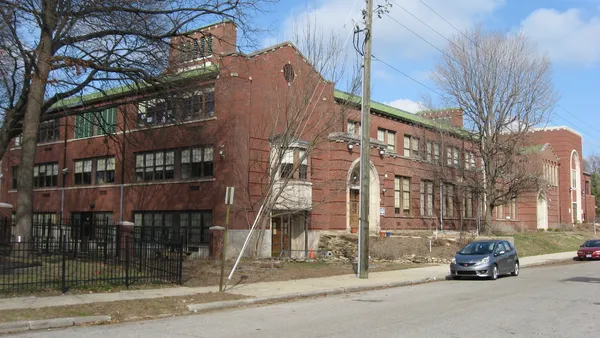
Enrollment shifts are reshaping Indianapolis’ public-school footprint
New enrollment data in Indianapolis point to a shared problem for Indianapolis Public Schools and the city’s charter sector: too many seats for the number of students, paired with growing financial and operational strain as families continue to shift between school operators.
Across public schools serving students within Indianapolis Public Schools boundaries, the city’s centralized enrollment system shows there were about 9,000 more seats than enrolled students in the 2024-25 school year. The imbalance is larger on the IPS-operated side, with roughly 7,000 of those seats attributed to IPS schools. Charter operators, meanwhile, reported capacity of about 25,000 seats and enrolled roughly 22,000 students, leaving thousands of seats unfilled even as the sector has grown over time.
IPS-operated enrollment declines while charters expand
Enrollment trends show divergence between IPS-run schools and charter schools, including schools in the district’s Innovation Network. Over roughly two decades, charter enrollment in Indianapolis has risen from about 3,000 students (2005-06) to more than 22,000 students. Over the same period, IPS has lost about 44% of the students in the schools it directly operates—more than 16,000 students—bringing IPS-operated enrollment to 21,055 at the start of the 2024-25 school year.
Enrollment changes are also tied to citywide demographic projections. A demographic study commissioned by IPS projected continued declines in the student population between 2025 and 2030, estimating annual decreases ranging from 152 to 478 students.
Facilities costs and underused buildings intensify pressure
The enrollment gap has direct consequences for facilities. Nearly one-third of IPS buildings are operating at less than 60% capacity, based on state enrollment records and a district building analysis last updated in 2020. At the same time, charter schools face their own facility hurdles, particularly when acquiring or financing buildings without access to property-tax revenue streams.
- Innovation Network charter schools housed in IPS buildings operate there at no direct cost, but average building costs per pupil were estimated at $4,476 in 2023-24 when broader facility-related expenses are accounted for.
- Among charter operators that secured facilities independently, average costs varied widely by ownership model, with higher per-pupil costs generally associated with leasing rather than owning.
Policy changes could reshape the financial stakes
State policy debates are intersecting with enrollment realities. Proposals to expand revenue sharing between traditional public schools and charter schools—scheduled to begin in 2028 under enacted changes—have been presented as a major fiscal turning point. IPS leadership has warned that additional reductions in available revenue could force significant school closures and staffing cuts, while charter leaders have emphasized the need for stable funding and predictable access to facilities.
With thousands of unused seats spread across IPS and charter operators, Indianapolis faces a structural problem: maintaining school buildings, staffing, and transportation systems sized for a student population that is smaller and still shifting.
What comes next: capacity, transportation, and systemwide coordination
A state-mandated local working group has been tasked with recommending ways to address facilities and transportation across all public schools operating within IPS boundaries. The immediate challenge is balancing family choice and school autonomy against the financial inefficiency of maintaining underused buildings—an issue affecting both IPS and charter schools as enrollment patterns continue to evolve.