Rep. André Carson honors Rev. Jesse Jackson, underscoring Indianapolis ties and national civil rights legacy
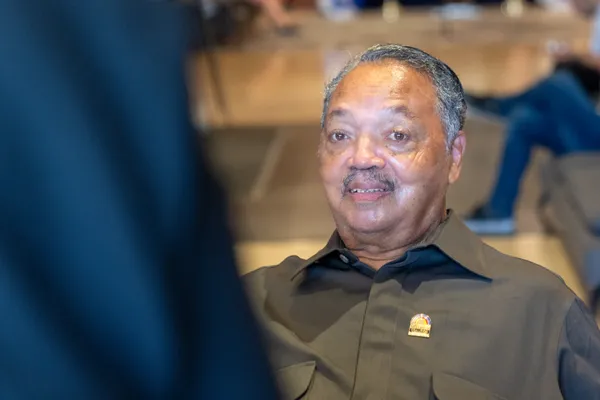
Tribute from Indianapolis comes as national leaders reflect on a movement-shaping career
U.S. Rep. André Carson of Indianapolis paid tribute Tuesday to the Rev. Jesse Jackson, describing the longtime civil rights leader as both a national icon and a personal mentor. Carson’s remarks came after Jackson died on Feb. 17, 2026, at age 84, closing a public life that spanned street-level organizing, presidential politics and the creation of major civil rights institutions.
In public comments, Carson emphasized Jackson’s long-running “Rainbow Coalition” vision—framing it as an approach that brought people from different backgrounds into a shared push for social justice. Carson also pointed to the contemporary political climate around diversity, calling attention to ongoing debates over how institutions and elected officials address inclusion and equal opportunity.
Jackson’s national footprint: campaigns, organizations and coalition-building
Jackson rose to prominence in the civil rights era and later became a central figure in national Democratic politics. He ran for president in 1984 and 1988, campaigns widely recognized for expanding the scope of coalition-based electoral politics and elevating issues of economic justice, voting rights and civil rights enforcement.
His organizational work became a lasting part of that strategy. Jackson founded Operation PUSH in 1971 and later launched the National Rainbow Coalition in 1984. Those efforts were merged into the Rainbow PUSH Coalition in 1996, which continued as a major civil rights organization headquartered in Chicago. In 2023, Jackson stepped down from leadership of the coalition amid health concerns, marking a transition after decades in the role.
- 1971: Operation PUSH founded.
- 1984: National Rainbow Coalition launched amid Jackson’s first presidential campaign.
- 1996: Merger formed the Rainbow PUSH Coalition.
Indianapolis connections: a local lens on a national figure
Carson’s tribute highlighted Jackson’s influence beyond Washington and Chicago, including ties to Indianapolis civic life. Jackson has been credited with helping popularize the “Black expo” concept through a major Chicago exposition in 1969, which local organizers later cited as a model that helped make possible the Indiana Black Expo, established in 1971. The connection remains a notable example of how national movement infrastructure shaped local institutions focused on business development, culture and community leadership.
Jackson’s legacy includes building broad coalitions aimed at linking civil rights goals with political participation and economic opportunity.
Health, public appearances and the final years
Jackson’s public profile narrowed in recent years as he lived with a neurodegenerative condition. He had previously disclosed a Parkinson’s diagnosis, and his family later reported his diagnosis had been updated to progressive supranuclear palsy (PSP). Even as his health declined, Jackson remained a defining reference point for many elected officials and activists, a role reflected in the wave of tributes issued nationally following his death.