School start times delayed across central Indiana as overnight snow and ice create hazardous roads
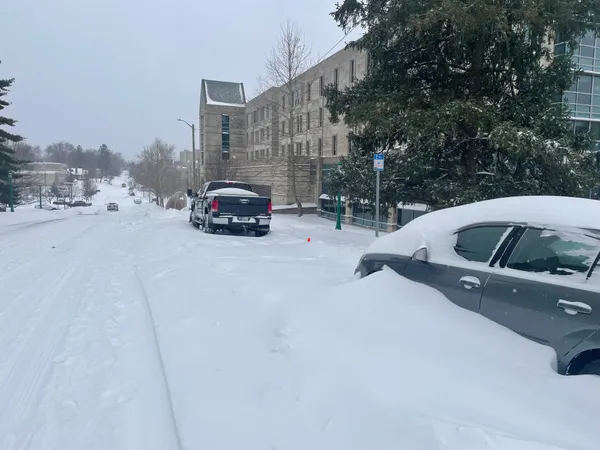
Delays reported as wintry mix arrives before the Monday commute
Multiple school districts across central Indiana shifted to delayed start times after snow and mixed precipitation moved into the region overnight, creating slick travel conditions for buses and families during the morning commute. The adjustments came as temperatures dipped below freezing in parts of the state, increasing the risk that slush and moisture would refreeze on untreated pavement.
While many districts opted for two-hour delays rather than full closures, the disruptions were widespread enough to affect morning routines across several counties. Delays are typically used when road conditions are expected to improve after daylight, traffic treatment, and a modest temperature rise.
Weather setup: brief accumulations, but timing matters
The system impacting Indiana brought a mix of precipitation types—snow, sleet, and pockets of freezing rain—during the overnight hours and into early morning. In southwest and south-central Indiana, a winter weather advisory window covered the early-morning commute period, with forecasts calling for light snow and sleet accumulations around an inch or less and the potential for a light glaze of ice on elevated surfaces such as bridges and overpasses.
Even when snowfall totals are modest, early-morning timing can amplify impacts. Roads can become slick quickly when precipitation falls near freezing, and the most hazardous travel often occurs on untreated neighborhood streets, rural routes, and elevated roadway segments that cool faster than surrounding pavement.
What school delays signal about road conditions
District leaders generally base delay decisions on route assessments that prioritize student transportation safety. In winter events, the main operational concerns include:
- Reduced traction on secondary roads, hills, and shaded areas where melting is slower.
- Localized ice on bridges and overpasses, which can form even when main roads appear wet.
- Variable conditions across large districts, where one portion of a bus route may be passable while another remains slick.
Winter driving risks often increase when precipitation changes type—rain to sleet to snow—or when temperatures fall just enough for wet pavement to refreeze.
Guidance for families and commuters
For households navigating delayed starts, transportation agencies and public safety messaging during similar events consistently emphasizes slowing down, allowing extra travel time, and using added caution on bridges, ramps, and untreated streets. Families are also encouraged to monitor district communications for updates in case localized conditions shift.
As the system exits, conditions can improve quickly where road treatment and daylight warming take effect. However, drivers may still encounter isolated slick spots—especially in areas that received a heavier burst of precipitation or where standing moisture refreezes.
Circle City Briefing: Tournament Heat Meets a Foggy Commute
Soggy Skies and Foggy Commutes: Indianapolis Braces for a Rain-Soaked Thursday