Central Indiana Iranian-American residents weigh hope for change against fears as Iran conflict escalates
A local community responds to a fast-moving international crisis
Members of Central Indiana’s Iranian-American community are reacting with a mix of relief, anxiety and caution as military conflict involving Iran intensifies and the United States becomes directly involved. In interviews conducted in recent days across the Indianapolis area, Iranian-born residents described the developments as deeply personal, tied to family members still in Iran and to long-standing hopes for political change in their country of origin.
Several residents characterized the current moment as a potential turning point, while also emphasizing the immediate danger posed to civilians and to service members on all sides. Some asked that their names not be used, citing concerns about retaliation against relatives in Iran.
“Fear for loved ones” alongside expectations of political change
Iranian-born residents living in Carmel and Indianapolis said the conflict has brought renewed worry about family and friends in Iran, including uncertainty about safety, access to information, and the risk of broader regional escalation. One Carmel resident said they were frightened for civilians and for people who “did not choose to be part of it,” referencing both Iranian and American military personnel.
At the same time, some residents framed the strikes and the pressure on Iran’s leadership as an opening for a different political future. Another local resident said they believe a government “about the people” must ultimately be chosen by Iranians themselves, describing the existing system as prioritizing the survival of the regime over citizens’ needs.
Indianapolis demonstrations reflect competing interpretations of the conflict
In Indianapolis, public protests have highlighted the divisions in how the U.S. role is viewed. One weekend rally at Military Park drew a small crowd opposing U.S. military action and urging Congress to vote on war powers questions. Organizers at that event described the strikes as unconstitutional and argued federal spending should focus on domestic needs.
A separate downtown demonstration later saw opposing viewpoints clash, including counterarguments from participants who said pressure on Iran’s leadership aligns with the aspirations of people who have protested inside Iran at significant personal risk.
Indiana officials split on war powers and duration of operations
Indiana’s federal delegation has publicly offered differing approaches. Several Republican lawmakers voiced support for the strikes and framed them as protective of U.S. security interests. Some Democrats called for Congress to reconvene to debate and vote on the scope of military action, warning about risks to troops and civilians and the possibility of an open-ended conflict.
The White House has indicated military operations could extend for weeks or longer, reinforcing local concerns that what began as targeted action could broaden into a prolonged campaign.
Iranian-American residents in Central Indiana reported heightened fear for relatives in Iran.
Some residents described the conflict as a possible opening for political change, while stressing the danger to civilians.
Indianapolis-area protests have included both anti-war messages and counterarguments supporting pressure on Iran’s leadership.
Indiana’s elected leaders remain divided over congressional authorization and the risk of a long-running war.
“We’re excited, we are hopeful, and we are so anxious to see that one day Iran will be free,” one Central Indiana resident said, while also describing fear for loved ones amid the fighting.
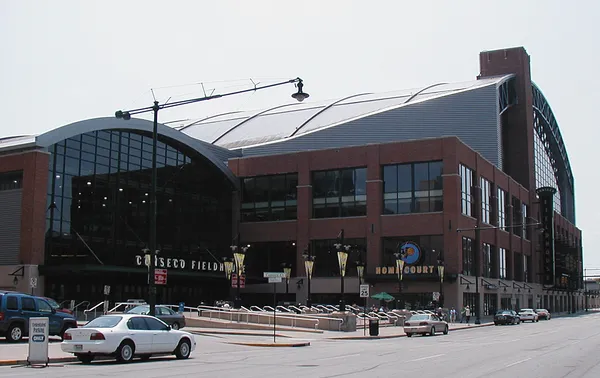
Hoops Fever in Indy: Big Ten Women’s Tournament and G-League Action Headline Match Day
Circle City Briefing: Tournament Heat Meets a Foggy Commute
Official Bulletin: Infrastructure Updates and Public Notices for March 5