DHS detention expansion plan lists Indianapolis as possible site for an 8,500-bed ICE facility

Indianapolis named in documents outlining a nationwide detention expansion
Indianapolis is being considered as a potential location for a large-scale immigration detention site designed to hold roughly 8,500 people, as part of a federal initiative that would reshape how immigration detainees are processed and removed from the United States. The Indianapolis site is one of at least 20 locations referenced in planning materials that describe a shift toward fewer, larger facilities and a network of regional processing centers.
The plan describes converting industrial properties—such as warehouses—into detention sites that would include food service, medical care and laundry operations. The model is built around two tiers: large detention centers intended to hold several thousand people at once for relatively short stays, and smaller regional processing facilities intended to hold people for days before transfer.
How the proposed model is structured and what timelines indicate
The planning materials describe large facilities designed for 7,000 to 10,000 detainees, with average detention periods of about 60 days or less, supplemented by processing sites housing roughly 1,000 to 1,500 people per day. Detainees would first move through processing centers before being transported to the larger sites for longer stays ahead of removal proceedings and deportations. A stated implementation target would activate sites by Nov. 30, 2026.
While Indianapolis is listed among potential locations, no publicly identified property, jurisdictional partner, or finalized acquisition has been confirmed for the city. As a result, key operational questions—such as staffing, transportation impacts, local service demands, and procurement timelines—remain unresolved in public records.
Local context: detention capacity pressures already visible in Marion County
In Indianapolis, the Marion County Adult Detention Center has faced capacity and budget constraints that have affected how long it can hold individuals requested by federal immigration authorities. In January 2026, the Marion County Sheriff’s Office said the jail would no longer hold people on immigration detainers beyond 48 hours, citing overcrowding and cost pressures tied to jail population levels.
Separately released local jail data showed more than 1,000 ICE-related bookings occurred at the Marion County jail during 2025, highlighting a rising operational footprint even before any new large-scale site would be established.
What has happened in other communities tied to the same detention model
Outside Indiana, other communities have reported federal purchases of large warehouse properties slated for conversion into detention space, prompting local questions about infrastructure capacity, including water and sewer demands, emergency services, and the suitability of industrial buildings for high-occupancy detention operations. In Texas, a warehouse complex totaling more than 800,000 square feet was reported as purchased for conversion, while a Georgia site was reported at a scale intended to hold thousands.
Key unknowns for Indianapolis
- Whether a specific property has been purchased, leased, or placed under contract for detention use
- How detainee transportation would be handled between processing sites, detention centers, courts, and removal operations
- What local infrastructure upgrades—if any—would be required for water, wastewater, medical response, and traffic
- Whether local government entities would have a formal role or be notified after federal acquisition decisions
As of Feb. 25, 2026, Indianapolis has been identified as a potential site in federal planning materials, but no confirmed address or finalized facility announcement has been made public.
Any next steps are likely to become clearer through property transactions, federal contracting activity, and formal agency announcements that identify a site, construction scope, and operational partners.
Hoops Fever in Indy: Big Ten Women’s Tournament and G-League Action Headline Match Day
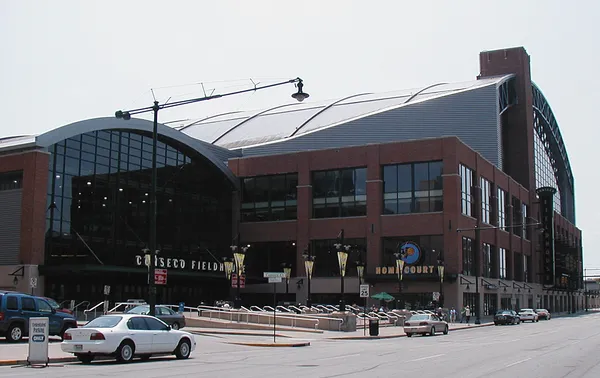
Circle City Briefing: Tournament Heat Meets a Foggy Commute
Official Bulletin: Infrastructure Updates and Public Notices for March 5