Indiana lawmakers advance Senate Bill 27 as Bears leaders visit Indianapolis during the 2026 NFL Combine
A legislative framework advances as NFL executives gather in Indianapolis
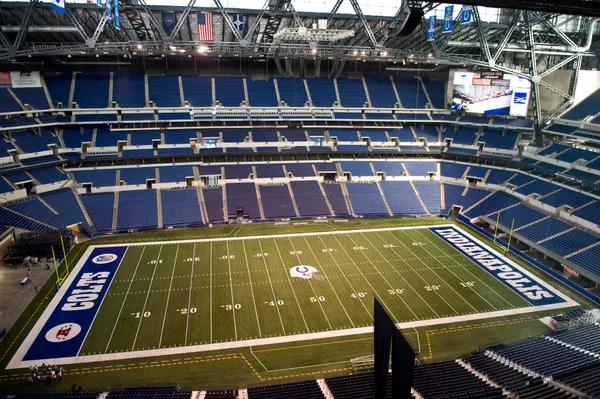
Indiana lawmakers moved Senate Bill 27 closer to enactment as Indianapolis hosts the NFL Scouting Combine, the league’s annual evaluation event held at Lucas Oil Stadium from Feb. 26 through March 1, 2026. The timing brings team owners and senior executives to the city for a week in which roster planning, stadium discussions and league business often run alongside draft scouting.
SB 27 is designed to create the legal and financial structure for a potential new NFL stadium in Northwest Indiana, centered on the Wolf Lake area in Hammond. The proposal has drawn heightened attention after the Chicago Bears publicly described the bill’s progress as a major milestone while continuing site-specific evaluations.
What happened at the Statehouse
On Feb. 24, 2026, the Indiana House approved SB 27 by a 95–4 vote. The bill had previously passed the Indiana Senate on Jan. 28, 2026, by a 46–2 vote. If signed, it would establish a Northwest Indiana Stadium Authority with powers to plan, finance and oversee development tied to a stadium project.
While the bill sets a pathway for a Bears relocation scenario, it does not by itself finalize a team agreement. Any stadium deal would still depend on negotiations, financing terms and completion of due diligence on the site and surrounding infrastructure.
Key mechanics: authority powers, lease requirements and long-term bonds
The legislation would create a new regional stadium authority with the ability to acquire property, including through eminent domain.
It authorizes long-term financing through bonds that could extend up to 40 years.
It includes a requirement that a professional football team using a publicly financed stadium sign a lease of at least 35 years.
How the bill proposes to generate public revenue
Fiscal estimates prepared for lawmakers outline a package built largely around local hospitality and event-related taxes in Lake and Porter counties, along with a tax-capture structure tied to a designated development area. Among the options and requirements included:
Lake and Porter counties could each adopt a 1% food-and-beverage tax by June 30, 2027; combined annual revenue was estimated at $12 million to $18 million based on existing restaurant activity.
Lake County’s hotel tax rate could rise from 5% to 10%, with an estimate of at least $5.4 million annually from the increase.
Hammond could establish a 12% admissions tax on tickets sold to the public for events held at the stadium; season tickets and personal seat licenses would not be subject to the tax. Annual revenue was estimated at about $12 million once events begin.
The financial outline relies on projected visitor activity and event volume, meaning the ultimate revenue totals would depend on development scale and the stadium’s year-round use.
What comes next
The bill’s next step is executive action. If enacted, the legislation would establish the governance and revenue tools for a stadium project, but major questions remain unresolved: the final cost, the full public-private split, land acquisition details, and whether the Bears ultimately commit to a Northwest Indiana stadium location rather than an Illinois alternative.
For Indianapolis, the developments unfold as the Combine again places the city at the center of NFL decision-making, with executives in town and statewide leaders pushing a proposal that could reshape pro football geography in the Midwest.
Hoops Fever in Indy: Big Ten Women’s Tournament and G-League Action Headline Match Day
Circle City Briefing: Tournament Heat Meets a Foggy Commute
Official Bulletin: Infrastructure Updates and Public Notices for March 5